India Faces 100% US Tariff Threat After Senate Passes Russian Oil Sanctions Bill
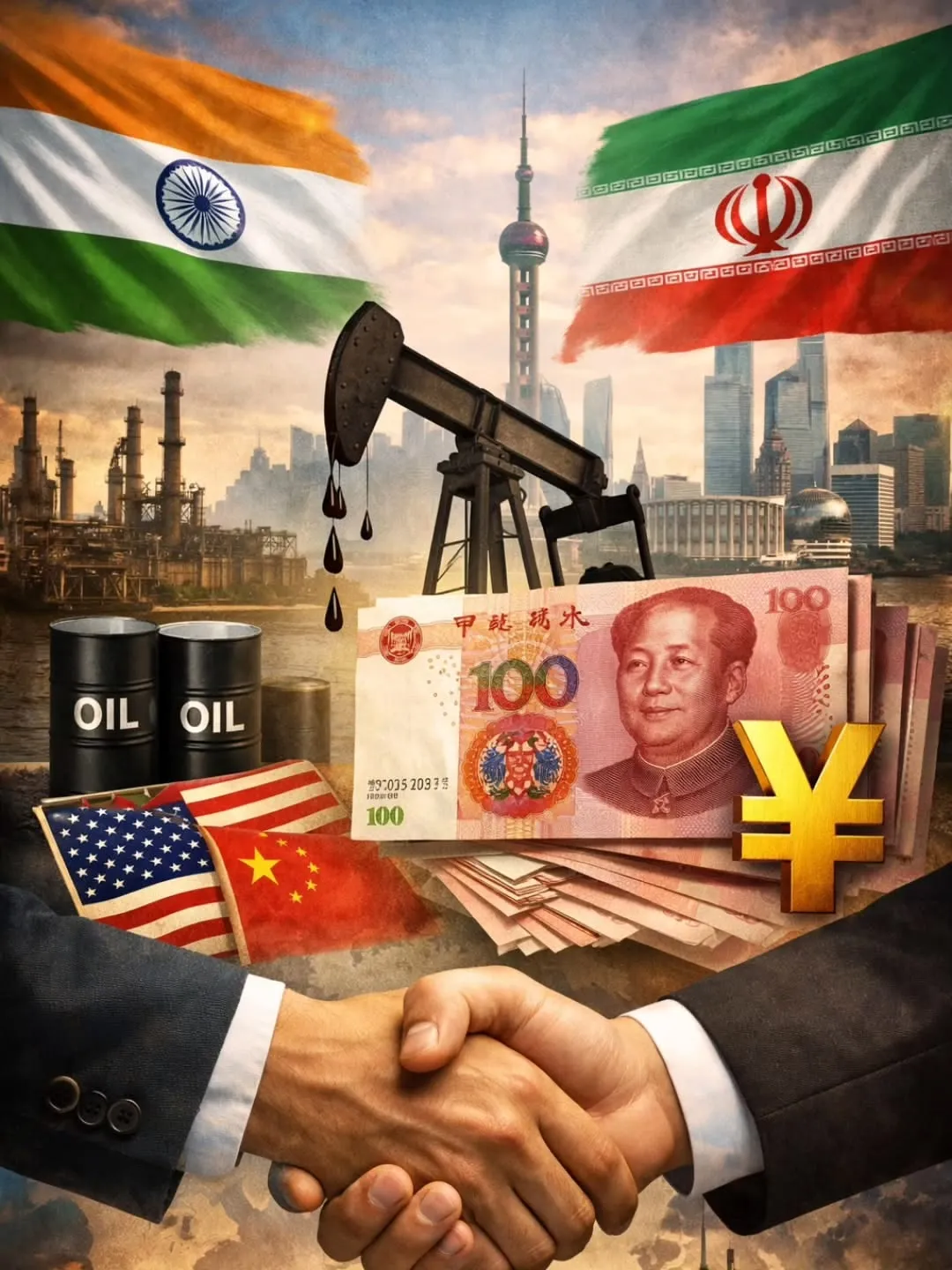
The United States Senate has passed a sweeping bipartisan bill that could impose tariffs of up to 100 per cent on goods from India, China and three other countries over their continued purchases of Russian oil and gas. Lawmakers say the measure is designed to squeeze Moscow’s ability to finance its war in Ukraine by targeting the major buyers of its energy exports.
The legislation, formally renamed the Lindsey O. Graham Sanctioning Russia and Iran Act of 2026, cleared the Senate on Friday by an overwhelming 86-11 vote. It now moves to the House of Representatives, which is currently in recess and is not expected to take it up before September. If approved by the House and signed by President Donald Trump, the law would give the White House broad authority to levy steep secondary tariffs on countries that remain among the world’s largest importers of Russian crude and natural gas.
What the Bill Authorises
At the heart of the legislation is a provision allowing the US president to impose tariffs of up to 100 per cent on imports from the five largest purchasers of Russian oil or natural gas. Current trade patterns place China, India, Azerbaijan, Hungary and Slovakia in that category. China accounts for the largest share of Russian crude exports, while India has emerged as the second-largest buyer.
The bill also authorises a blanket tariff of up to 500 per cent on Russian goods entering the United States and expands sanctions on Russian officials, oligarchs and entities linked to the defence industrial base. In addition, it extends the Iran Sanctions Act of 1996 through 2031, continuing secondary penalties on companies that invest in Iran’s energy sector.
The legislation includes limited waiver authority. The president may waive the tariffs if he certifies to Congress that doing so is in the national interest of the United States. There is also an exemption for countries that import less than 15 per cent of Russia’s natural gas exports and are demonstrably reducing their dependence on Russian energy.
Why India Is in the Spotlight
India’s exposure stems from its sharp rise in Russian crude imports since 2022. Discounted Russian oil has helped New Delhi manage its energy costs, support domestic refining and contain inflation. Recent data indicate that Russian crude has accounted for more than 40 per cent of India’s oil imports in certain months, and in some periods has exceeded half of total purchases.
Because India ranks among the top five buyers, it falls squarely within the scope of the proposed secondary tariffs. If the measure becomes law and the president chooses to apply the maximum rate, Indian exports to the United States—including engineering goods, pharmaceuticals, chemicals, textiles and auto components—could face significant additional duties on top of any existing tariffs.
Legislative Journey and Bipartisan Momentum
The bill was originally championed by Republican Senator Lindsey Graham, a strong supporter of Ukraine who died on July 11 shortly after a visit to Kyiv. Following his death, colleagues on both sides of the aisle accelerated efforts to pass the measure as a tribute to his work. Democratic Senator Richard Blumenthal, who co-authored the legislation, played a key role in steering it through the Senate.
An earlier version of the bill had proposed tariffs as high as 500 per cent on a broader set of countries. After negotiations, the maximum secondary tariff was reduced to 100 per cent and its application was narrowed to the five largest energy buyers and the top facilitators of sanctions evasion. This revision helped secure the broad bipartisan support reflected in the 86-11 final vote.
Potential Economic Implications for India
The immediate effect of the Senate vote is to raise uncertainty around India-US trade relations. While the bill does not automatically trigger tariffs—presidential discretion remains central—it creates a clear legal pathway for the administration to penalise continued large-scale purchases of Russian energy.
Indian policymakers have previously maintained that oil import decisions are driven by energy security and market considerations rather than political alignment. New Delhi has also pointed to the global nature of the oil market and the fact that discounted Russian crude has helped stabilise prices for consumers worldwide. Nonetheless, the prospect of 100 per cent tariffs on a major export destination represents a serious commercial risk.
Trade analysts note that the impact would depend on how aggressively the tariffs are applied, whether exemptions or phased implementation are offered, and how quickly India can diversify its crude sources. Any sustained reduction in Russian oil purchases would likely raise India’s overall import bill and could affect refining margins and domestic fuel pricing.
Next Steps in the Legislative Process
Passage in the Senate is only the first major hurdle. The House of Representatives must still approve the bill. Given the current congressional calendar, consideration is not expected until after the summer recess. Even after House passage, the president would need to sign the measure into law. Once enacted, the Office of the US Trade Representative would periodically identify the top five buyers of Russian energy, providing the factual basis for any tariff decisions.
Broader Geopolitical Context
The legislation reflects continued US efforts to reduce Russia’s energy revenues more than four years after the invasion of Ukraine. By shifting pressure from Moscow itself to its largest customers, lawmakers hope to force a sharper reduction in Russian oil and gas income. China and India together account for the bulk of Russia’s seaborne crude exports, making them the primary focus of the secondary-tariff provisions.
For India, the vote underscores the growing intersection of energy security, great-power competition and bilateral trade. How New Delhi responds—through diplomatic engagement, adjustments in import patterns or efforts to secure exemptions—will shape both its energy costs and its broader economic relationship with the United States in the months ahead.
The Senate’s decisive passage of the Lindsey O. Graham Sanctioning Russia and Iran Act of 2026 has placed India firmly in the crosshairs of a major new sanctions tool. Whether the threat of 100 per cent tariffs materialises will depend on subsequent congressional action and presidential decisions, but the legislative signal is already clear.
Read more – morecai.com