Rajasthan HC Reunites Bride With Husband, Wishes Them Happy Married Life
The Rajasthan High Court has allowed a 24-year-old woman to leave with her 23-year-old husband after she told the court that she had married him voluntarily and wanted to resume her matrimonial life. The matter came before the court after the husband alleged that his wife was being confined by her parents and family members because they did not approve of the marriage.
The court, after interacting with the woman and considering her statement, held that she was entitled to live with her husband according to her own choice. The bench also disposed of the proceedings and wished the couple a “happy married life.”
Rajasthan High Court Hears Plea Over Woman’s Alleged Confinement
The case came before a division bench comprising Justices Arun Monga and Ashutosh Kumar. The petition was filed by the 23-year-old man, who approached the court claiming that his wife was being illegally confined by her parents and other family members.
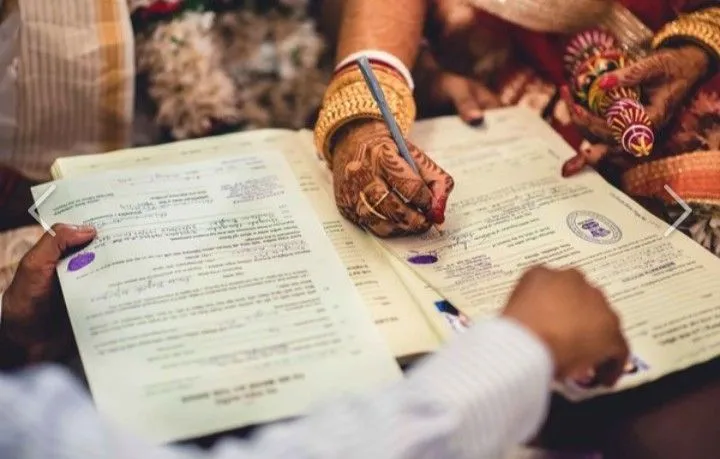
According to the petitioner, the woman was an adult and had married him of her own free will. He told the court that the marriage had taken place in the presence of family members, relatives and friends. Photographs of the wedding were also placed before the court in support of the marriage claim.
The petitioner sought the court’s intervention so that his wife could be allowed to leave and live according to her wishes.
The case raised an important question concerning the personal liberty of an adult and her ability to make decisions about her own marital life.
Woman Tells Court She Married Without Coercion
During the proceedings, the police informed the court that they had located the woman and recorded her statement. She told the authorities that she had married the man voluntarily.
The court subsequently interacted with her directly. During that interaction, the woman stated that she had married the 23-year-old man without coercion or duress. She also expressed her desire to resume her matrimonial life with him.
The court noted that the ages of the two individuals and the fact of their marriage were not disputed.
The woman further told the court that the police had brought her from her parental home against her wishes. During the pendency of the proceedings, she had also stayed at a government-run shelter.
Her statement before the court became central to the decision because she clearly expressed her own preference about where and with whom she wanted to live.
Court Recognises Woman’s Choice
After hearing the matter and interacting with the woman, the Rajasthan High Court concluded that she was entitled to live with her husband according to her own choice.
The court observed that the woman had clearly expressed her wish before the bench and that there was no need for further proceedings in the matter.
The order permitted her to resume her matrimonial life with the petitioner, who was present before the court. The husband was also allowed to take her along with him.
The court ultimately disposed of the pending proceedings and concluded the matter with a message wishing the couple a “happy married life.”
Why Personal Liberty Was Important in the Case
The case highlights the legal importance of personal liberty when an adult makes decisions concerning her private and family life. Marriage can involve family expectations, social considerations and disagreements, but an adult’s own statement regarding her choice remains an important consideration before a court.
In this matter, the woman did not tell the court that she wanted to remain with her parents. Instead, she clearly stated that she wanted to return to her husband and continue her matrimonial life.
The High Court therefore focused on her expressed wishes rather than allowing the family’s disagreement with the marriage to determine where she should live.
The ruling also demonstrates why courts may interact directly with an alleged detenue in cases where a person is claimed to be unlawfully confined. Hearing the individual personally can help the court understand whether the person is acting voluntarily or under pressure.
Parents’ Opposition Did Not Override Her Statement
A significant aspect of the case was the alleged disagreement between the woman’s parents and the couple’s marriage.
According to the petition, the husband was required to approach the court because the woman’s parents did not approve of the marriage. The allegation was that she was being prevented from living with her husband.
However, when the woman appeared before the court, she independently stated that she had married the man voluntarily and wanted to live with him.
The court’s decision consequently centred on her own statement and choice. The fact that her parents did not approve of the marriage did not change her expressed desire to resume her matrimonial life.
What the Rajasthan High Court Order Means
The case is significant because it illustrates the distinction between family disagreement and an adult’s personal decision.
Parents may have their own concerns or objections regarding a marriage, but those objections do not automatically determine where an adult woman must live. In this case, the High Court considered the woman’s own statement after interacting with her.
The court did not direct the couple to resolve their family differences or impose conditions on their marriage. Instead, after finding that the woman wanted to live with her husband, it allowed her to leave with him.
The order therefore brought the immediate legal dispute to an end.
A Broader Legal Context
Cases involving adults who choose their own marriage frequently bring questions of personal liberty before constitutional courts. The underlying issue is not simply whether families agree with a marriage, but whether an adult is able to make a voluntary decision about her personal life.
The Rajasthan High Court’s approach in this case demonstrates the importance of hearing the concerned individual directly when allegations of confinement are made.
The woman’s statement was particularly significant because she confirmed that the marriage was voluntary and that she wanted to continue her marital relationship.
At the same time, the order should be understood on the basis of the facts recorded in this particular proceeding. It does not mean that every dispute involving a marriage will automatically receive the same outcome. Courts examine the circumstances and statements presented in each individual case.
Rajasthan High Court Wishes Couple a Happy Married Life
After allowing the woman to leave with her husband, the court brought the proceedings to a close with an unusual but warm concluding observation.
The September 25 order stated that the alleged detenue was at liberty to resume her matrimonial life with the petitioner, who was present in court. It further allowed the petitioner to take her along with him.
The court then wished the couple a “happy married life.”
The concluding remark gave the legal proceeding a human dimension after the court had dealt with the question of the woman’s liberty and expressed choice.
Key Takeaway From the Case
The Rajasthan High Court case highlights the importance of an adult’s own wishes in matters concerning marriage and residence. The 24-year-old woman told the court that she had married the 23-year-old man voluntarily and wanted to live with him.
After considering her statement, the court allowed her to resume her matrimonial life with her husband and disposed of the proceedings.
The case also shows how the judiciary can become involved when a person is alleged to be confined against their wishes. By directly interacting with the woman, the court was able to consider her own account before passing its direction.
Ultimately, the Rajasthan High Court’s order placed the woman’s expressed choice at the centre of the proceedings and allowed her to continue her married life with the husband she had chosen.
Read more – Sizematchr.com