How to Identify Fake News: A Complete Guide to Spotting Misinformation Online
The internet has transformed how people consume news and information. Social media platforms, websites, messaging apps, and online forums allow news to spread within seconds, making it easier than ever to stay informed. However, this speed has also created an environment where false or misleading information can spread just as quickly. Fake news has become a significant global concern because it can influence public opinion, create unnecessary panic, damage reputations, and affect important decisions related to health, finance, politics, and public safety.
Media literacy experts, journalists, and international organizations emphasize that identifying fake news is an essential digital skill. Learning how to verify information before believing or sharing it helps protect individuals and communities from misinformation. Rather than relying on emotional reactions or sensational headlines, readers should evaluate the credibility of the information they encounter. This guide explains practical and evidence-based methods to identify fake news and become a more responsible consumer of digital information.
What Is Fake News?
Fake news refers to false, misleading, or manipulated information presented as legitimate news. It may be completely fabricated, partially misleading, or based on genuine facts that have been taken out of context. Fake news can spread intentionally to influence opinions, generate website traffic, earn advertising revenue, or create confusion. In other cases, inaccurate information spreads unintentionally when people share content without verifying its accuracy.
Not all misinformation is created with harmful intent. Some false information results from misunderstanding, outdated reports, or incomplete facts. However, regardless of the intention, sharing inaccurate information can have serious consequences. Understanding the different forms of fake news is the first step toward recognizing and preventing its spread.
Why Fake News Spreads So Quickly
Fake news often spreads faster than verified information because it is designed to capture attention and provoke strong emotional reactions. Sensational headlines, shocking claims, and dramatic images encourage people to click, comment, and share without checking the facts. Social media algorithms may further amplify such content because high engagement increases its visibility.
In addition, confirmation bias plays a significant role. People are more likely to believe and share information that supports their existing opinions or beliefs. When combined with the speed of digital communication, this creates an environment where misinformation can reach millions of people before fact-checkers or news organizations have time to respond.
Check the Source Carefully
One of the simplest ways to identify fake news is to examine the source. Reputable news organizations follow professional editorial standards, verify information before publication, and correct mistakes when necessary. Unknown websites or pages with no editorial information, contact details, or ownership transparency should be approached with caution.
Pay attention to the website’s domain name, publication history, and overall reputation. Some fake websites imitate well-known news organizations by using similar names or web addresses. Before accepting information as true, verify whether the publisher has a history of providing accurate and reliable reporting.
Read Beyond the Headline
Misleading headlines are one of the most common characteristics of fake news. Some headlines exaggerate facts, omit important context, or make claims that are not supported by the article itself. Others are written solely to generate clicks through sensational language.
Instead of sharing an article based only on its headline, read the entire content carefully. Check whether the headline accurately reflects the information presented in the article. Responsible journalism provides supporting evidence, context, and balanced reporting rather than relying on emotional language or shocking statements.
Verify the Author’s Credibility
Reliable articles usually identify the author and provide information about their qualifications or professional background. Before trusting an article, research the author’s experience and expertise. Journalists, researchers, and subject matter experts generally have publicly available profiles and previous work that can be verified.
If an article has no author, uses a fake name, or provides no information about the writer’s credentials, it deserves additional scrutiny. Credible reporting values transparency and accountability.
Look for Supporting Evidence
Trustworthy news articles support their claims with evidence, official statements, expert opinions, research findings, or verified data. Reliable reporting explains where the information comes from and provides context that allows readers to understand the complete picture.
Be cautious of articles that make extraordinary claims without presenting any evidence. If important facts cannot be verified through reliable sources, the information should not be accepted as accurate. Always ask whether the article explains how the information was obtained and whether the evidence is credible.
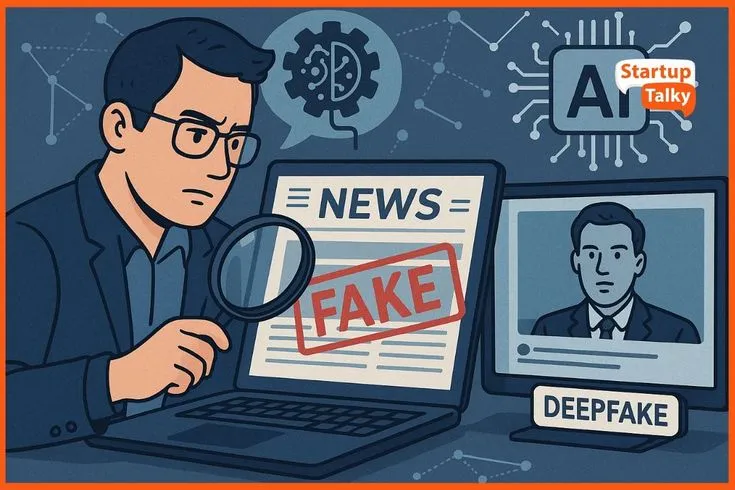
Cross-Check Information with Multiple Reliable Sources
One of the most effective ways to identify fake news is to compare the information with reports from other trusted news organizations. Major events are typically covered by multiple independent media outlets. If only one unfamiliar website is reporting a sensational claim while reputable organizations remain silent, it may indicate that the information is inaccurate or misleading.
Cross-checking helps readers identify inconsistencies, missing context, or corrections that may not appear in the original article. Comparing multiple sources provides a broader and more balanced understanding of important events.
Examine the Publication Date
Old news stories are sometimes reshared as though they are current events. While the information may have been accurate when originally published, presenting outdated reports without context can create confusion and spread misinformation.
Always check the publication date and determine whether the information remains relevant. Some articles are republished with updated headlines despite containing old content. Ensuring that information is current is essential for making informed decisions.
Analyze the Images and Videos
Images and videos can be manipulated or presented out of context to support false narratives. A photograph from one event may be falsely described as depicting another incident, while edited videos can create misleading impressions.
Carefully examine visual content for signs of manipulation or inconsistencies. Reverse image search tools can help determine where an image originally appeared and whether it has been used accurately. Looking beyond the visual presentation helps prevent deception.
Recognize Emotional Manipulation
Fake news often relies on emotional language designed to provoke anger, fear, excitement, or outrage. Highly emotional content encourages people to react quickly instead of thinking critically.
When an article makes you feel shocked or extremely emotional, pause before sharing it. Ask yourself whether the information is supported by evidence or whether the emotional tone is being used to influence your judgment. Remaining calm and objective improves decision-making and reduces the likelihood of spreading misinformation.
Be Careful with Social Media Posts
Social media platforms have become major channels for sharing news, but not every post contains verified information. Viral posts, screenshots, anonymous accounts, and forwarded messages should not automatically be considered reliable simply because they have been widely shared.
Popularity does not guarantee accuracy. Before believing or sharing content found on social media, verify the information using trusted news organizations and official sources whenever possible.
Understand the Difference Between Opinion and Fact
Opinion articles express personal viewpoints, interpretations, or commentary rather than objective reporting. While opinions can contribute valuable perspectives, they should not be confused with factual news reporting.
Learning to distinguish between factual information and personal opinion helps readers evaluate content more accurately. Reliable news articles clearly separate verified facts from commentary and speculation.
Develop Critical Thinking Skills
Critical thinking is one of the most powerful tools for identifying fake news. Instead of accepting information at face value, thoughtful readers ask questions, evaluate evidence, consider alternative explanations, and remain open to changing their views when new facts become available.
Developing critical thinking habits reduces susceptibility to misinformation and encourages more informed decision-making. Taking time to analyze information carefully is often more valuable than reacting immediately.
Common Signs of Fake News
Many fake news stories share similar characteristics. They may contain sensational headlines, unsupported claims, spelling mistakes, excessive advertisements, manipulated images, anonymous sources, or emotionally charged language. Some articles also encourage readers to share the information urgently without verifying it.
Recognizing these warning signs can help readers identify potentially misleading content before it spreads further. While no single indicator proves that an article is false, multiple warning signs should encourage additional verification.
Tips for Sharing Information Responsibly
Responsible information sharing begins with verifying content before forwarding it to others. Taking a few extra minutes to confirm the accuracy of an article helps reduce the spread of misinformation and protects others from being misled.
Think carefully before sharing emotionally charged content. Consider whether the information comes from a trustworthy source, whether the evidence is credible, and whether other reliable organizations have reported the same facts. Responsible digital citizenship benefits everyone.
Conclusion
In today’s digital world, learning how to identify fake news is an essential life skill. False information can spread rapidly through social media, messaging platforms, and websites, making it increasingly important for individuals to evaluate information critically before accepting or sharing it. By checking sources, reading beyond headlines, verifying authors, examining evidence, comparing multiple reliable reports, and thinking critically, readers can protect themselves from misinformation and contribute to a more informed society.
Building strong media literacy skills not only improves personal decision-making but also supports responsible online behavior. Every individual has a role in preventing the spread of fake news by verifying facts, questioning sensational claims, and sharing only accurate information. Developing these habits creates a safer digital environment where reliable information can thrive and informed discussions can flourish.