Why Sleep Is Essential for Physical and Mental Health: Benefits of Quality Rest
In today’s busy and fast-paced world, sleep is often sacrificed in favor of work, social activities, and entertainment. Many people consider sleeping less as a sign of productivity, but scientific research consistently shows that sleep is one of the most important pillars of overall health. Just as the body needs nutritious food and regular exercise, it also requires adequate and high-quality sleep to function properly.
Sleep is a natural biological process that allows the body and mind to recover, repair, and prepare for the next day. During sleep, numerous essential functions take place, including tissue repair, hormone regulation, memory consolidation, and immune system strengthening. Insufficient sleep can negatively affect both physical and mental health, reducing productivity and increasing the risk of various health problems. Understanding the importance of sleep can help individuals make better lifestyle choices and improve their overall well-being.
Understanding Why Sleep Is Important
Sleep is not simply a period of rest when the body shuts down. Instead, it is an active process during which the brain and body perform essential functions necessary for maintaining health and survival.
During sleep, the body repairs damaged tissues, restores energy levels, and regulates various hormones. The brain processes information, strengthens memories, and removes waste products that accumulate throughout the day. These activities play a crucial role in maintaining both physical and mental performance.
Because sleep supports so many important bodily functions, consistently getting enough rest is essential for long-term health and overall quality of life.
The Role of Sleep in Physical Recovery and Repair
One of the primary functions of sleep is to allow the body to recover from daily activities and physical stress. During deep stages of sleep, the body repairs muscles, tissues, and cells that may have been damaged during the day.
Sleep also promotes the release of growth hormone, which supports tissue repair, muscle development, and overall physical recovery. Athletes and physically active individuals often rely on quality sleep to improve performance and speed up recovery after intense exercise.
Without sufficient sleep, the body’s ability to recover effectively becomes impaired, leading to increased fatigue and a greater risk of injury and illness.
Strengthening the Immune System Through Sleep
A strong immune system is essential for protecting the body from infections and diseases. Sleep plays an important role in supporting immune function and helping the body defend itself against harmful microorganisms.
During sleep, the immune system produces proteins and other substances that help fight infections and control inflammation. Inadequate sleep can weaken these protective mechanisms and reduce the body’s ability to respond effectively to illness.
Research has shown that people who regularly experience poor sleep may be more susceptible to common infections and may take longer to recover when they become ill. Prioritizing sleep is therefore an important part of maintaining a healthy immune system.
Supporting Heart Health and Overall Physical Wellness
Sleep has a significant influence on cardiovascular health. During sleep, the body regulates important functions such as blood pressure, heart rate, and stress hormone levels.
Insufficient sleep has been associated with an increased risk of high blood pressure, heart disease, and other cardiovascular conditions. Chronic sleep deprivation can also contribute to inflammation and negatively affect metabolic processes that are important for heart health.
Maintaining healthy sleep habits supports proper cardiovascular function and contributes to long-term physical wellness.
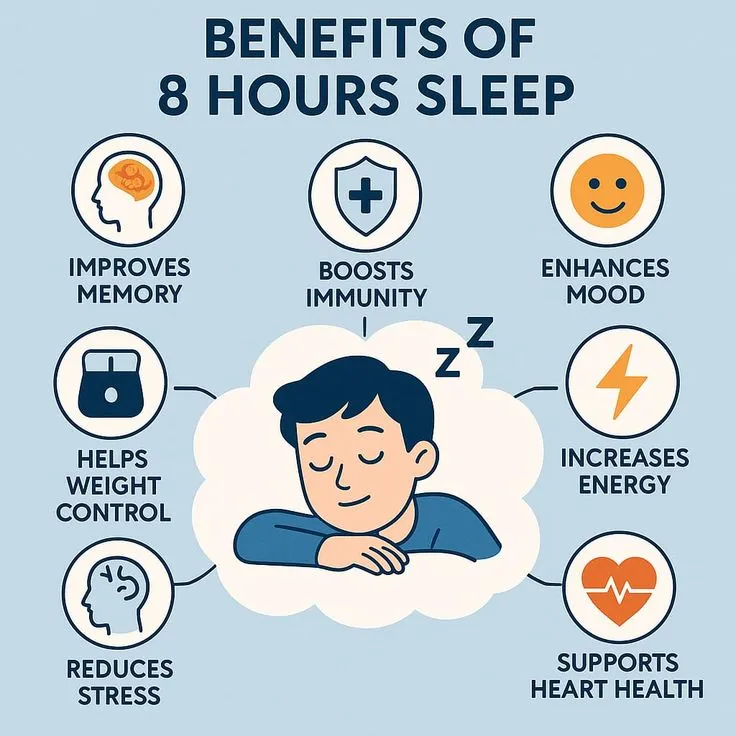
The Connection Between Sleep and Brain Function
The brain remains highly active during sleep and performs several important functions that support learning and mental performance. Sleep helps organize and store information, strengthen memories, and improve cognitive abilities.
Adequate sleep is essential for concentration, problem-solving, decision-making, and creativity. Students and professionals often perform better when they are well-rested because their brains can process and recall information more effectively.
On the other hand, sleep deprivation can impair attention, reduce productivity, and increase the likelihood of errors and poor judgment.
Improving Emotional Well-Being and Mental Health
Sleep and mental health are closely connected. Quality sleep helps regulate emotions and contributes to emotional stability and resilience.
People who get enough sleep often experience better mood, improved stress management, and greater emotional balance. In contrast, insufficient sleep can increase feelings of irritability, anxiety, and emotional sensitivity.
Long-term sleep problems have also been linked to a higher risk of developing mental health conditions such as depression and anxiety disorders. Protecting sleep quality is therefore an important aspect of maintaining emotional well-being and psychological health.
The Impact of Sleep on Stress Management
Modern life often exposes individuals to high levels of stress and pressure. Sleep provides the body and mind with an opportunity to recover from these challenges and restore balance.
During sleep, the body regulates stress hormones and supports emotional processing. Inadequate sleep can increase stress levels and make it more difficult to cope with everyday challenges.
People who consistently get enough sleep often feel more capable of handling stressful situations and maintaining a positive outlook. Healthy sleep habits can therefore play an important role in improving resilience and reducing the effects of stress.
Supporting Healthy Weight Management and Metabolism
Sleep also influences appetite, metabolism, and energy balance. During sleep, the body regulates hormones that control hunger and feelings of fullness.
Insufficient sleep can disrupt these hormonal processes and increase cravings for high-calorie foods. People who regularly experience sleep deprivation may find it more difficult to maintain healthy eating habits and manage their weight effectively.
Adequate sleep supports balanced metabolism and contributes to healthier lifestyle choices, making it an important component of overall health and wellness.
The Importance of Sleep for Children and Adolescents
Children and teenagers require sufficient sleep to support growth, learning, and development. During childhood and adolescence, the body undergoes significant physical and mental changes that depend heavily on proper rest.
Sleep supports brain development, memory formation, emotional regulation, and physical growth in young people. Inadequate sleep can negatively affect academic performance, behavior, and overall health.
Encouraging healthy sleep habits from an early age can contribute to better development and long-term well-being.
How Poor Sleep Affects Daily Life
The effects of inadequate sleep often become noticeable in everyday activities. People who do not get enough sleep may experience fatigue, reduced concentration, mood changes, and lower productivity.
Poor sleep can also increase the risk of accidents because tired individuals may have slower reaction times and impaired decision-making abilities. Over time, chronic sleep deprivation can negatively affect relationships, work performance, and overall quality of life.
Recognizing the importance of sleep and making it a priority can help individuals avoid these challenges and improve their daily functioning.
Developing Healthy Sleep Habits
Maintaining good sleep habits is essential for achieving quality rest. Going to bed and waking up at consistent times can help regulate the body’s internal clock and improve sleep quality.
Creating a comfortable sleep environment, limiting screen exposure before bedtime, and managing stress can also support healthier sleep patterns. Regular physical activity and balanced nutrition further contribute to better rest and overall wellness.
Small changes in daily routines can have a significant positive impact on sleep quality and long-term health.
Conclusion
Sleep is one of the most essential components of physical and mental health. It supports immune function, promotes physical recovery, strengthens brain performance, improves emotional well-being, and contributes to overall quality of life. Despite its importance, sleep is often neglected in modern society, leading to numerous health challenges and reduced well-being.
Prioritizing sleep should be viewed as an investment in long-term health rather than a luxury or unnecessary activity. By developing healthy sleep habits and recognizing the vital role that rest plays in the body’s natural processes, individuals can improve their physical health, enhance their mental well-being, and enjoy a more productive and balanced life.
In a world that constantly demands more time and energy, quality sleep remains one of the most powerful tools for maintaining good health and achieving overall wellness.