How Breathing Exercises Improve Health and Mind-Body Balance
Breathing is one of the most essential functions of the human body, yet it is often overlooked as a tool for improving physical and mental well-being. Every person breathes automatically throughout the day, but intentional breathing exercises can create positive effects on the body and mind.
Breathing exercises involve controlled techniques that focus on breathing patterns, rhythm, and awareness. These practices have been used for centuries in different wellness traditions and are now widely recognized as useful methods for relaxation, stress management, and improving overall health.
By practicing mindful breathing regularly, people can support better emotional balance, improve focus, and develop a stronger connection between the mind and body. Understanding how breathing exercises work can help individuals include simple wellness practices in their daily routines.
Understanding the Connection Between Breathing and Health
Breathing is closely connected with many important body functions. The respiratory system supplies oxygen to the body and removes carbon dioxide, supporting energy production and normal organ function.
The way a person breathes can also influence the nervous system. Slow and controlled breathing may encourage relaxation responses, while rapid and shallow breathing is often associated with stress or anxiety.
Breathing exercises help individuals become more aware of their breathing patterns and learn techniques that promote calmness and balance.
How Breathing Exercises Support Stress Management
One of the most recognized benefits of breathing exercises is their ability to support stress reduction.
During stressful situations, the body may enter a state where the heart rate increases, muscles become tense, and breathing becomes faster. This natural response prepares the body to react to challenges.
Controlled breathing techniques can help create a sense of relaxation by encouraging slower and deeper breathing patterns.
Practicing breathing exercises regularly may help people manage everyday stress more effectively and develop better emotional control during challenging situations.
Improving Mental Focus and Concentration
Breathing exercises can also support better concentration and mental clarity.
When people focus on their breathing, they practice directing their attention to the present moment. This process can reduce distractions and improve awareness.
Many mindfulness practices use breathing techniques as a foundation because controlled breathing helps train the mind to remain focused.
Students, professionals, and individuals managing busy lifestyles may benefit from breathing practices that encourage calm attention and improved mental organization.
Supporting Better Emotional Balance
Emotions and breathing patterns are closely connected.
Strong emotions such as fear, anger, or excitement can change breathing patterns. Learning to control breathing may help individuals respond to emotions more calmly.
Breathing exercises encourage awareness of physical and emotional reactions, helping people create a pause before responding to situations.
This improved awareness can support emotional stability and healthier ways of managing daily challenges.
Benefits for Relaxation and Better Sleep
Many people experience difficulty relaxing due to busy schedules, stress, or excessive mental activity.
Breathing exercises can become part of a relaxation routine before bedtime. Slow breathing techniques may help calm the body and prepare the mind for rest.
A relaxed state before sleep can support better sleep quality and healthier sleep habits.
Although breathing exercises are not a replacement for medical treatment for sleep disorders, they can be a useful part of a balanced lifestyle.
Supporting Lung Function and Breathing Awareness
Breathing exercises encourage people to become more aware of how they breathe.
Some techniques focus on expanding breathing capacity, improving posture, and using breathing muscles more effectively.
For healthy individuals, regular breathing practice can support better breathing habits and awareness of respiratory patterns.
People with specific respiratory conditions should always follow professional medical advice when adding new breathing techniques to their routine.
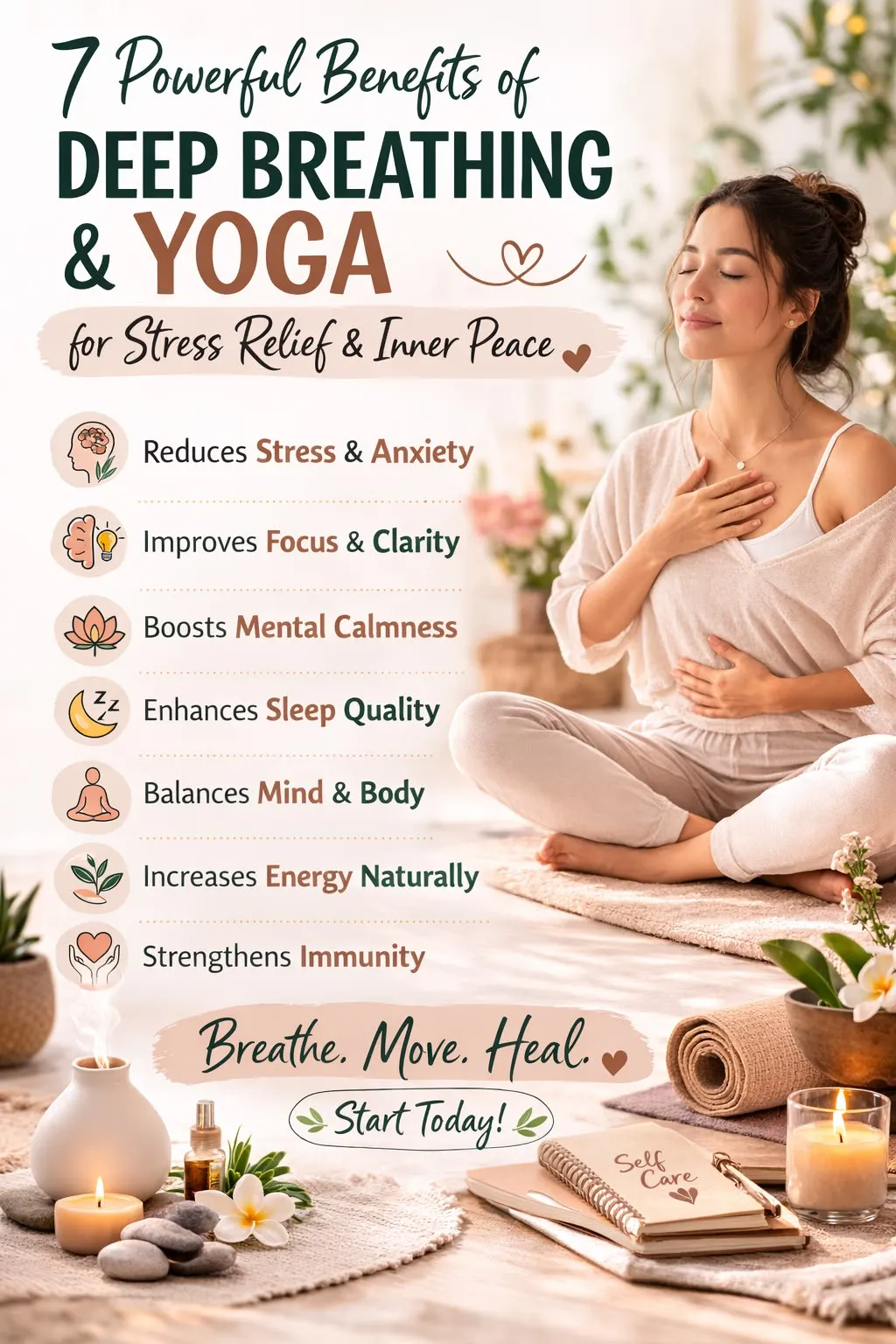
The Role of Breathing in Mind-Body Balance
The mind and body constantly influence each other. Physical tension can affect emotions, and emotional stress can create physical responses.
Breathing exercises provide a bridge between physical and mental awareness.
By focusing on breathing, individuals can create a stronger connection with their body and recognize signs of tension or stress.
This mind-body awareness supports overall wellness by encouraging relaxation, self-awareness, and healthier responses to daily experiences.
Different Types of Breathing Exercises
There are several types of breathing exercises practiced for relaxation and wellness.
Deep Breathing
Deep breathing involves slowly inhaling and exhaling while focusing on expanding the lungs comfortably. It is one of the simplest techniques and can be practiced almost anywhere.
This method helps individuals become aware of their breathing patterns and encourages relaxation.
Diaphragmatic Breathing
Diaphragmatic breathing focuses on using the diaphragm muscle more effectively during breathing.
This technique encourages deeper breaths and helps individuals develop more efficient breathing habits.
Box Breathing
Box breathing involves breathing in, holding the breath, breathing out, and pausing for equal periods.
This structured technique is often used to encourage calmness and focus.
Mindful Breathing
Mindful breathing focuses on observing the natural breathing process without trying to change it.
This practice encourages awareness and helps individuals stay connected with the present moment.
How to Practice Breathing Exercises Correctly
Breathing exercises are simple, but proper practice improves their effectiveness.
A comfortable position, relaxed posture, and quiet environment can help create better focus.
Beginners should start with short sessions and gradually increase practice time.
Breathing should feel natural and comfortable. Forcing deep breaths or holding the breath for too long may create discomfort.
Consistency is more important than intensity. Regular short practices can provide greater benefits than occasional long sessions.
Breathing Exercises and Physical Relaxation
Stress often creates physical tension in areas such as the shoulders, neck, and muscles.
Controlled breathing can encourage relaxation throughout the body by helping reduce physical tension.
Many relaxation methods combine breathing with stretching, meditation, or gentle movement.
This combination supports overall physical comfort and promotes a balanced approach to wellness.
Importance of Regular Practice
Like many healthy habits, breathing exercises provide greater benefits when practiced consistently.
A few minutes of daily breathing practice can help individuals develop better awareness and relaxation skills over time.
Creating a routine makes it easier to include breathing exercises as part of everyday self-care.
People can practice breathing exercises during quiet moments, before important activities, or whenever they need to regain focus.
Common Mistakes to Avoid
Although breathing exercises are simple, some common mistakes can reduce their effectiveness.
Trying to breathe unnaturally deeply, practicing with poor posture, or becoming overly focused on achieving results may create unnecessary pressure.
Breathing exercises should feel comfortable and calming.
Individuals should listen to their bodies and stop if they experience discomfort.
Combining Breathing Exercises With a Healthy Lifestyle
Breathing exercises work best when combined with other healthy habits.
Regular physical activity, balanced nutrition, adequate sleep, and stress management practices all contribute to overall wellness.
Breathing techniques are one part of a complete approach to maintaining physical and mental health.
Small daily practices can create meaningful improvements when combined with consistent healthy choices.
Frequently Asked Questions (FAQs)
How do breathing exercises improve health?
Breathing exercises may support relaxation, stress management, focus, and better mind-body awareness by encouraging controlled breathing patterns.
How often should breathing exercises be practiced?
Many people benefit from practicing breathing exercises regularly, even for a few minutes each day.
Can breathing exercises reduce stress?
Yes, controlled breathing techniques can help promote relaxation and support healthier responses to stressful situations.
Conclusion
Breathing exercises are simple yet powerful practices that can support physical health, emotional balance, and mental clarity. By learning to control and observe breathing patterns, individuals can develop greater awareness of their connection between the mind and body.
From reducing stress and improving focus to supporting relaxation and better sleep habits, breathing exercises offer valuable benefits for everyday wellness. They require no special equipment and can be practiced almost anywhere, making them an accessible tool for maintaining balance in modern life.
When combined with a healthy lifestyle and regular self-care habits, breathing exercises can become an important part of a long-term approach to better health and overall well-being.