Best Foods for Gut Health: Nourishing Your Microbiome Naturally
Introduction
Gut health significantly influences overall well-being, affecting digestion, immunity, mood, and even cognitive function. The trillions of microorganisms residing in the digestive tract form a complex ecosystem known as the microbiome. Supporting this system through diet promotes balance between beneficial and harmful bacteria.
Certain foods rich in probiotics, prebiotics, and fiber play crucial roles in maintaining this harmony. Incorporating these nutrient-dense options regularly enhances microbial diversity and supports optimal functioning. This guide explores the most effective foods for gut health, offering practical ways to integrate them into daily meals for sustained benefits.
Probiotic-Rich Foods: Introducing Beneficial Bacteria
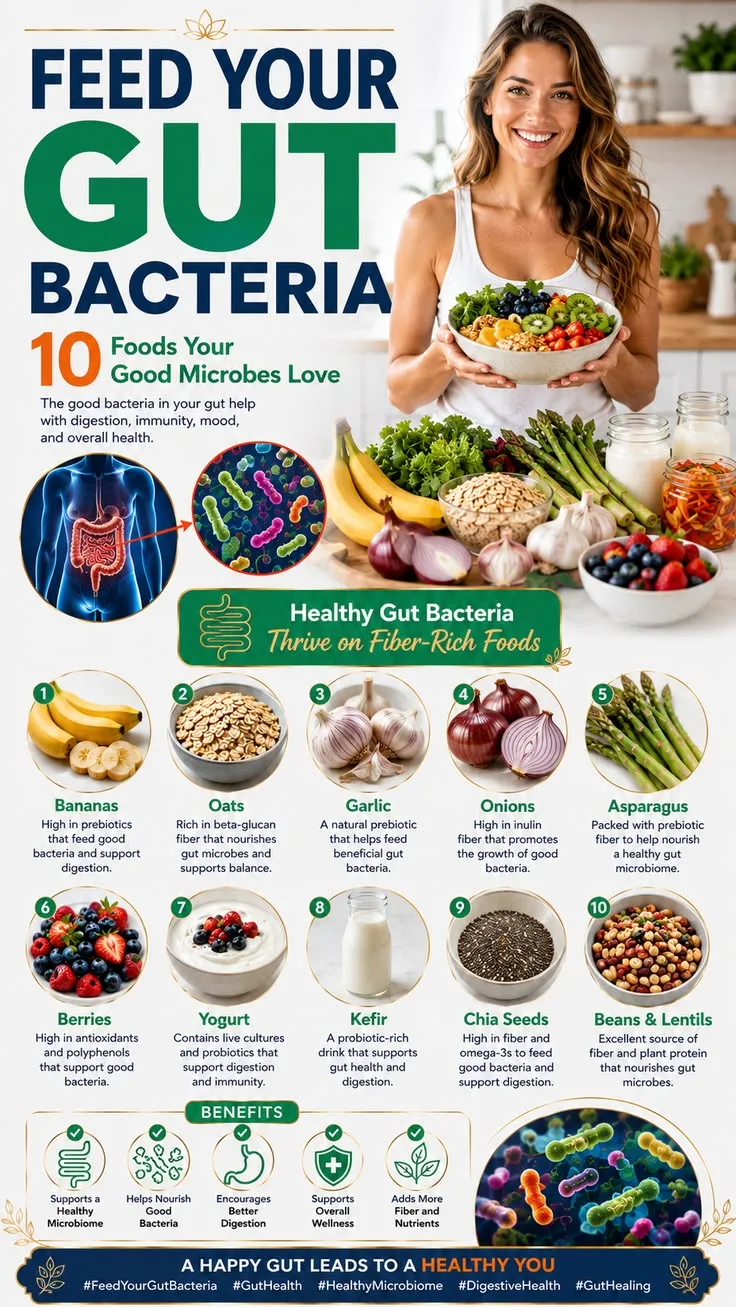
Probiotics are live beneficial bacteria supporting digestive health. Yogurt stands out as one of the most accessible sources, particularly varieties containing live active cultures. Regular consumption introduces strains like Lactobacillus and Bifidobacterium that aid digestion and strengthen intestinal barriers.
Fermented vegetables such as sauerkraut and kimchi provide diverse bacterial strains along with vitamins and fiber. These tangy additions enhance meals while delivering probiotics in their most natural form. Kefir, a fermented milk drink, offers even greater bacterial diversity than yogurt, making it excellent for those seeking maximum variety.
Miso, tempeh, and kombucha contribute additional probiotic benefits. Start with small portions when introducing these foods to allow the gut to adjust gradually. Consistency matters more than quantity for long-term microbiome support.
Prebiotic Foods: Feeding the Good Bacteria
Prebiotics consist of non-digestible fibers serving as fuel for beneficial bacteria. Garlic and onions contain inulin and fructooligosaccharides promoting growth of healthy strains. These aromatic vegetables form foundations for countless savory dishes while supporting microbial balance.
Bananas, particularly slightly underripe ones, provide resistant starch acting as a prebiotic. Oats deliver beta-glucan fiber benefiting both gut bacteria and heart health. Asparagus, leeks, and Jerusalem artichokes offer concentrated prebiotic compounds worth incorporating regularly.
Apples with skin intact supply pectin supporting beneficial bacteria growth. These foods work synergistically with probiotics, creating an environment where good bacteria thrive while crowding out less desirable ones.
High-Fiber Foods: Supporting Digestive Regularity
Dietary fiber promotes regular bowel movements and feeds gut microbes. Whole grains like barley, quinoa, and brown rice provide insoluble fiber adding bulk to stool. Legumes including beans, lentils, and chickpeas combine protein with soluble fiber supporting cholesterol management and microbial fermentation.
Berries deliver fiber alongside powerful antioxidants protecting intestinal lining. Broccoli, carrots, and leafy greens contribute both soluble and insoluble varieties for comprehensive support. Nuts and seeds, particularly chia and flax, offer omega-3 fatty acids and fiber benefiting inflammation reduction.
Gradually increase fiber intake while drinking plenty of water to prevent discomfort. Variety ensures broad microbial support rather than favoring specific strains.
Fermented Foods and Their Unique Benefits
Beyond basic probiotics, fermented foods provide additional compounds supporting gut health. Traditional preparation methods enhance bioavailability of nutrients while creating unique flavors.
Pickled vegetables offer convenience and versatility as side dishes or toppings. Sourdough bread, when properly fermented, contains beneficial bacteria and easier-to-digest proteins. Certain cheeses, particularly aged varieties, retain live cultures supporting microbiome diversity.
These foods introduce variety important for robust gut ecosystems. Rotate different options throughout the week maximizing benefits while preventing dietary boredom.
Anti-Inflammatory Foods Supporting Gut Lining
Chronic inflammation damages intestinal barriers, allowing unwanted substances into bloodstream. Anti-inflammatory foods help maintain integrity. Fatty fish like salmon provide omega-3s reducing inflammatory markers. Turmeric with black pepper enhances absorption of curcumin supporting gut lining repair.
Green tea delivers catechins with antioxidant properties protecting digestive tissues. Olive oil, particularly extra virgin varieties, offers polyphenols benefiting microbial balance. Dark chocolate in moderation provides flavanols supporting both gut and cardiovascular health.
These foods work preventively, maintaining optimal conditions rather than merely addressing symptoms after issues arise.
Practical Integration Strategies
Incorporating gut-friendly foods requires thoughtful meal planning. Start days with probiotic-rich yogurt topped with prebiotic fruits and fiber-packed oats. Include fermented vegetables with lunches for midday support.
Evening meals benefit from diverse vegetables, whole grains, and healthy proteins. Snacks combining nuts with apples or carrots provide sustained energy while supporting microbiome.
Batch preparation of fermented items or fiber-rich dishes simplifies consistent intake. Experiment with recipes finding enjoyable ways to consume these beneficial foods regularly.
Lifestyle Factors Complementing Dietary Choices
Diet works most effectively alongside supportive habits. Adequate sleep allows microbiome repair and regulation. Stress management through exercise or mindfulness prevents disruption of bacterial balance. Regular physical activity promotes motility and diversity.
Hydration supports all digestive processes. Avoiding excessive processed foods, artificial sweeteners, and unnecessary antibiotics preserves beneficial bacteria.
These complementary practices amplify food benefits creating comprehensive gut health support.
Common Myths and Considerations
Not all fermented foods contain live cultures—check labels for active strains. Individual responses vary based on existing microbiome composition and health conditions. Those with specific digestive disorders should consult professionals before major dietary changes.
Diversity matters more than single superfoods. Gradual introduction prevents temporary discomfort while allowing adaptation. Sustainable habits outperform short-term extreme approaches for lasting gut health improvements.
Conclusion
Best foods for gut health combine probiotics introducing beneficial bacteria, prebiotics feeding them, and fiber supporting overall function. Yogurt, kefir, sauerkraut, garlic, onions, oats, bananas, and diverse vegetables and fruits form powerful allies.
Anti-inflammatory options like fatty fish, turmeric, and olive oil provide additional protection. Practical integration through meal planning and complementary lifestyle habits maximizes benefits.
Prioritizing gut health through nutrition yields widespread improvements in energy, immunity, mood, and digestion. Consistent incorporation of these foods creates foundation for vibrant health supporting all body systems. Small daily choices accumulate into transformative wellness over time.