Effective Ways to Lose Body Fat Naturally Without Extreme Diets or Workouts
Losing body fat does not require severe calorie restriction or exhausting exercise routines. Sustainable approaches that emphasize gradual changes in daily habits produce better long-term results and are easier to maintain. Research consistently shows that modest adjustments in eating patterns, everyday movement, sleep, and stress management support fat loss while preserving overall health and energy.
Create a Moderate Calorie Deficit Through Balanced Eating
Fat loss occurs when the body uses more energy than it consumes over time. A practical target is a modest daily deficit that supports losing about one to two pounds per week. This pace is more sustainable than rapid drops and helps protect muscle mass.
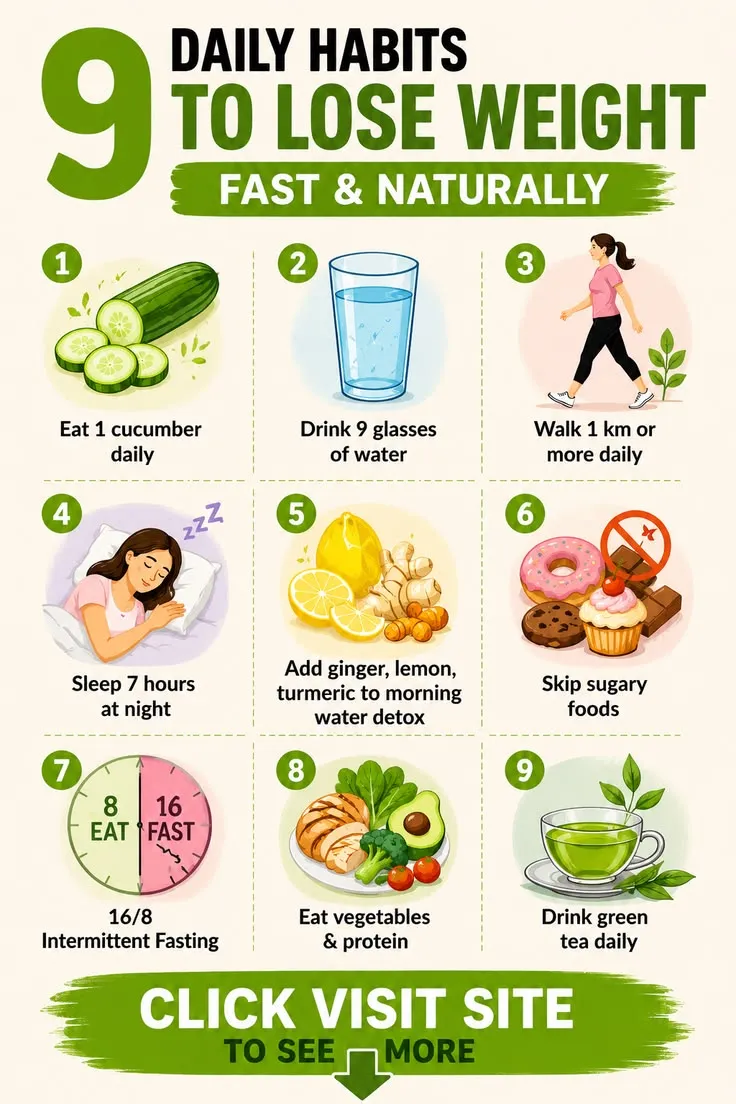
Focus on nutrient-dense foods rather than drastic cuts. Include adequate protein at each meal to promote fullness and help maintain muscle during weight loss. Higher protein intake supports satiety and can make it easier to stay within a calorie range without constant hunger. Pair protein with fiber-rich vegetables, fruits, whole grains, and legumes. Fiber slows digestion, stabilizes blood sugar, and further reduces the urge to overeat.
Limit liquid calories from sugary drinks and reduce highly processed foods that provide energy with little lasting satisfaction. Simple swaps, such as choosing water or unsweetened options and preparing more meals at home, create a natural reduction in intake without formal dieting rules.
Increase Daily Movement Through Non-Exercise Activity
Structured workouts are helpful but not the only path to higher energy expenditure. Non-exercise activity thermogenesis, or the calories burned through everyday movement, plays a meaningful role in overall energy balance. Standing, walking, household tasks, and fidgeting accumulate over the day and can contribute substantially to fat loss when increased consistently.
Practical ways to raise this activity include taking short walking breaks, choosing stairs, standing while talking on the phone, parking farther away, or pacing during calls. Aiming for more steps throughout the day—without needing intense sessions—supports a larger calorie burn while remaining accessible for most people. Combining this increased daily movement with a balanced diet improves results more effectively than either change alone.
Incorporate Strength Training and Enjoyable Activity
Preserving muscle is important during fat loss because muscle tissue supports metabolism. Light to moderate resistance training two or more times per week helps maintain lean mass. This does not require heavy gym sessions; bodyweight exercises, resistance bands, or simple free weights performed at home can be effective.
Choose forms of movement you find enjoyable, such as brisk walking, cycling, swimming, or dancing. Consistency matters more than intensity. Official guidelines often suggest at least 150 minutes of moderate activity per week, which can be broken into shorter sessions that fit daily life.
Prioritize Quality Sleep
Sleep influences hormones that regulate hunger and fat storage. Insufficient rest can increase appetite-stimulating signals and make it harder to control food intake. It may also affect how the body partitions energy, potentially favoring fat retention.
Aim for seven to nine hours of quality sleep most nights. Establishing a consistent bedtime routine, limiting screen exposure before bed, and creating a restful environment support better sleep. Improved rest often makes it easier to sustain healthier eating and activity habits the following day.
Manage Stress Effectively
Chronic stress elevates cortisol, a hormone linked to increased appetite and a tendency to store fat, particularly in the abdominal area. High stress can also lead to emotional eating and disrupted sleep, creating a cycle that hinders progress.
Simple stress-reduction practices help break this pattern. Brief periods of deep breathing, short walks outdoors, mindfulness exercises, or engaging in relaxing hobbies lower tension without requiring extensive time. Addressing stress supports hormonal balance and makes it easier to follow through on nutrition and movement goals.
Focus on Sustainable Habits Rather Than Short-Term Fixes
Long-term success comes from routines that can be maintained indefinitely. Track progress through non-scale measures such as energy levels, how clothes fit, strength improvements, or measurements, alongside occasional weigh-ins. Small, consistent actions compound over weeks and months.
Environmental supports also matter. Keeping nutritious foods visible and accessible, preparing meals in advance, and arranging living or work spaces to encourage movement reduce reliance on willpower. Social support from friends or family who share similar goals further strengthens adherence.
Combining Approaches for Steady Progress
The most effective natural fat-loss strategies integrate moderate dietary improvements, increased daily activity, muscle-supporting exercise, adequate sleep, and stress management. None of these requires extreme measures. Gradual calorie awareness paired with higher protein and fiber intake creates the necessary energy deficit. Everyday movement and enjoyable activity raise expenditure. Sleep and stress care help regulate the hormones that influence hunger and fat storage.
Results appear steadily when these elements work together. Most people find that focusing on how they feel—more energy, better mood, improved strength—provides stronger motivation than rapid scale changes alone. By building habits that fit real life, fat loss becomes a byproduct of overall healthier living rather than a temporary campaign of restriction and exhaustion. This approach supports not only a leaner body but also greater well-being that lasts.
Read more – wasatchglobal.com