Old Monk Isn’t Rum Says FSSAI: What Indian Spirits Really Are
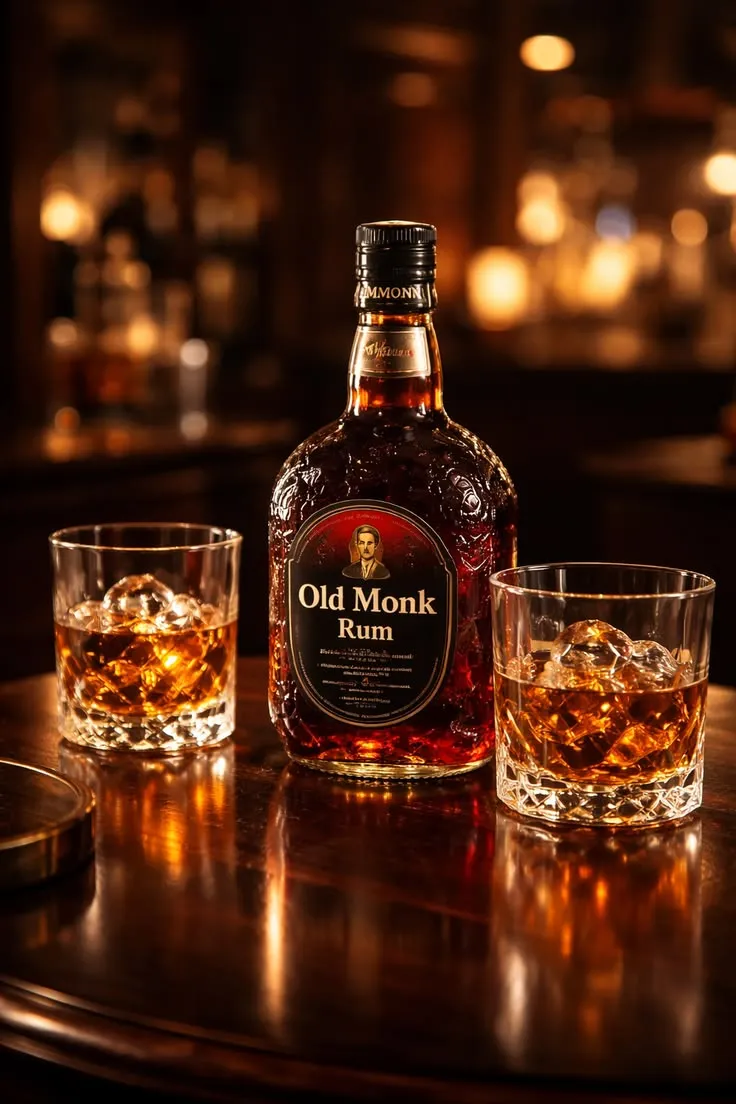
For decades, Old Monk has stood as a cultural icon in India. Generations of drinkers have raised glasses of the dark, slightly sweet spirit, calling it rum without a second thought. That long-held assumption has now been challenged in a significant way. The Food Safety and Standards Authority of India has told the Bombay High Court that Old Monk cannot be sold as rum under its current formulation and labelling. The regulator’s position has forced a broader conversation about what most mass-market Indian-made foreign liquor actually contains and how it is marketed.
What the Food Regulator Told the Court
In hearings before a division bench of the Bombay High Court, the FSSAI stated clearly that Old Monk is made primarily from neutral spirit combined with added rum flavouring. According to the regulator, this composition means the product does not meet the required characteristics of rum. Neutral spirit is a highly purified, largely flavourless alcohol. The distinctive aroma and taste associated with rum are achieved by adding artificial or nature-identical flavouring substances rather than through traditional fermentation, distillation and maturation processes alone.
The FSSAI has argued that calling such a product “rum” is misleading. It maintains that the addition of external flavourings masks the natural characteristics of the base spirit and alters the true identity of the beverage. The preferred description, according to the regulator, would be something closer to “rum-flavoured spirit” or “flavoured rum,” with clear disclosure on the label.
Laboratory testing formed the basis of the regulatory action. Results indicated the presence of external flavouring agents. In the case of certain Old Monk variants, the matured rum component was found to constitute a very small portion of the blend—reportedly less than five percent—while the bulk consisted of unaged neutral spirit. This finding also underpinned objections to age-related claims on the packaging.
The “Seven Years Old Blended” Claim Under Scrutiny
One of the most visible points of contention has been the long-standing description “7 years old blended” or similar age statements on certain Old Monk labels. The FSSAI has described these claims as potentially deceptive. Under applicable regulations, age statements for blended spirits are expected to reflect the youngest spirit in the mix. When the majority of the liquid is unmatured neutral alcohol, describing the product as seven years old creates an inaccurate impression for consumers.
The manufacturer, Mohan Rocky Springwater, has responded by agreeing to revise its labels. The company has undertaken to remove the “7 years old blended” wording and to make the presence of added flavour more prominent. Revised packaging has been submitted to the court for review. The FSSAI has sought additional time to examine whether the new labels meet regulatory requirements. In the meantime, the prohibition on sale of the affected variants in Maharashtra remains in place.
A Wider Pattern in Indian-Made Foreign Liquor
The Old Monk case is not isolated. The same regulatory scrutiny has extended to other popular products, including certain variants of McDowell’s No. 1 Rum and several mass-market whiskies. The underlying issue is structural. A large share of Indian-made foreign liquor relies on Extra Neutral Alcohol, commonly derived from sugarcane molasses, as the primary base. This high-strength, nearly flavourless spirit is then blended with smaller quantities of matured spirit and enhanced with flavourings and colouring to approximate the profile of traditional rum or whisky.
International standards for spirits are generally stricter about the origin of flavour. Traditional rum is expected to derive its character from fermented sugarcane products and subsequent aging. Traditional whisky is expected to come from fermented cereal grains and maturation in wood. Indian regulations allow the use of neutral spirit of agricultural origin in the production of both rum and whisky, but they also require that the finished product retain the characteristic taste and aroma associated with the category. The FSSAI’s position is that externally added flavourings designed to mimic those characteristics undermine this requirement and can mislead consumers.
Why the Distinction Matters
For many drinkers, the practical difference may seem secondary to taste, price and availability. Old Monk has earned its following through consistent flavour, accessibility and cultural resonance rather than through claims of pure traditional production. Yet accurate labelling serves an important purpose. Consumers who seek products made primarily through conventional distillation and aging methods deserve clear information. Those who are content with a flavoured spirit based on neutral alcohol should also know exactly what they are buying.
The current regulatory push reflects a broader effort to align product descriptions more closely with actual composition. When a bottle is labelled simply as “rum” or “whisky,” many buyers reasonably expect the flavour to originate primarily from the base materials and maturation process rather than from added flavour compounds. Where that is not the case, the FSSAI maintains that the label should reflect the reality—using terms such as flavoured spirit or premix.
Industry Practice and Consumer Expectations
Manufacturers have long operated within the framework of existing Indian regulations, which permit the use of neutral spirit. The practice of adding flavour to achieve a consistent, affordable product profile has been widespread across the IMFL segment for years. The current dispute highlights a gap between long-standing commercial practice and the stricter interpretation of standards now being applied by the regulator.
The court proceedings have so far focused on labelling and classification rather than on an outright ban on the products themselves. The pathway forward appears to involve clearer disclosure: removing potentially misleading age claims and ensuring that any added flavour is properly declared. Once revised labels are approved, the affected products are expected to return to the market under more precise descriptions.
What This Means for Everyday Drinkers
The revelation that a familiar bottle may not meet the traditional definition of rum has prompted strong reactions. For many, the news feels like a rewriting of personal history with a much-loved drink. Yet the practical outcome is likely to be greater transparency rather than the disappearance of these products. Consumers will still be able to purchase the same familiar taste, provided the packaging accurately describes what is inside.
The episode also invites a more informed approach to spirit selection. Those interested in traditional production methods can seek out bottles that emphasise higher proportions of matured spirit and avoid external flavouring. Others may continue to enjoy the accessible, consistent profiles that have defined the mass market for decades—now with clearer information on the label.
Looking Ahead
The Bombay High Court continues to monitor the revised labelling submitted by the manufacturer. The FSSAI’s insistence on accurate classification has already prompted changes in how certain products present themselves. Similar scrutiny is likely to influence other brands in the IMFL category.
In the end, the Old Monk controversy is less about one brand and more about the distance between marketing language and production reality in a large segment of the Indian spirits industry. Clearer labels will not change the taste of a long-standing favourite overnight, but they will give consumers a more honest basis on which to choose what they drink. For a spirit that has accompanied countless conversations, celebrations and quiet evenings, that honesty is a meaningful step forward.
Read more – Thepowerfuldua.com , yandex-games.org