Vijay’s Film Career and the Debate on Objectification in Tamil Cinema
Joseph Vijay, now serving as the Chief Minister of Tamil Nadu, built a massive following through a long career in commercial Tamil cinema. Before entering full-time politics and leading the Tamilaga Vettri Kazhagam to power in 2026, he was known as Thalapathy, a mass hero whose films mixed high-energy action, comedy, romance and song sequences aimed at large audiences. Among the many titles in his filmography, the 2009 release Villu, directed by Prabhu Deva and co-starring Nayanthara, has drawn renewed attention in discussions about how commercial cinema once handled themes of romance, gender and physicality.
Villu was a remake of the Hindi film Soldier and featured Vijay in a dual role. It arrived at a time when Tamil commercial cinema frequently relied on formulaic elements: larger-than-life heroes, comic side tracks, dramatic confrontations and song-and-dance numbers that often placed visual emphasis on the female lead. Contemporary reviews of the film were largely unfavourable. Critics pointed to weak screenplay, uneven production values and an overall lack of coherence. While Vijay’s star power and Vadivelu’s comedy sequences were noted as partial saving graces, the film struggled at the box office in Tamil Nadu and was widely regarded as one of the weaker entries in the actor’s career during that period.
Commercial Cinema Conventions of the Era
In the late 2000s, many mass-oriented films across South Indian industries employed certain recurring tropes. Romantic pursuit was often framed as persistent effort by the male protagonist, with the heroine’s initial resistance eventually giving way to acceptance. Song sequences frequently featured revealing costumes and camera work focused on the female body. These elements were presented as entertainment for front-bench audiences and were rarely subjected to the kind of sustained critical scrutiny that later became more common.
Villu included song sequences that followed this pattern. Nayanthara’s costumes and the staging of certain musical numbers drew comments in contemporary coverage for their emphasis on glamour. Reviews from the time described her role in places as serving primarily visual appeal. Such portrayals were not unique to this film or to Vijay’s work; they reflected broader industry practices that prioritised spectacle and star-centric narratives over nuanced character development for female roles.
Similar observations have been made about other films from the period. Scenes in which a hero comments on a woman’s clothing or in which physical advances are treated lightly have later been criticised for normalising attitudes that equate persistence with romance and for reducing women to objects of visual consumption. Academic and journalistic discussions of Tamil commercial cinema have noted how dance sequences and comic tracks sometimes reinforced conventional gender roles, presenting the male star as both protector and pursuer while limiting the agency of the female characters.
Changing Standards and Public Discourse
Public conversation around film representation has evolved significantly since the late 2000s. Greater awareness of consent, objectification and the impact of repeated media messages has led to retrospective examination of older films. What was once accepted as standard commercial fare is now more frequently questioned for the messages it may have conveyed to audiences, particularly younger viewers.
Vijay’s filmography spans several phases. Early and mid-career mass entertainers often leaned heavily on the conventions of the time. Later projects occasionally attempted to incorporate more progressive themes or stronger female characters, though commercial pressures continued to shape the overall product. As an actor with a large and devoted fan base, his on-screen persona carried considerable cultural weight. The transition from that persona to the role of Chief Minister has naturally invited comparisons between the values projected in his films and the responsibilities of public office.
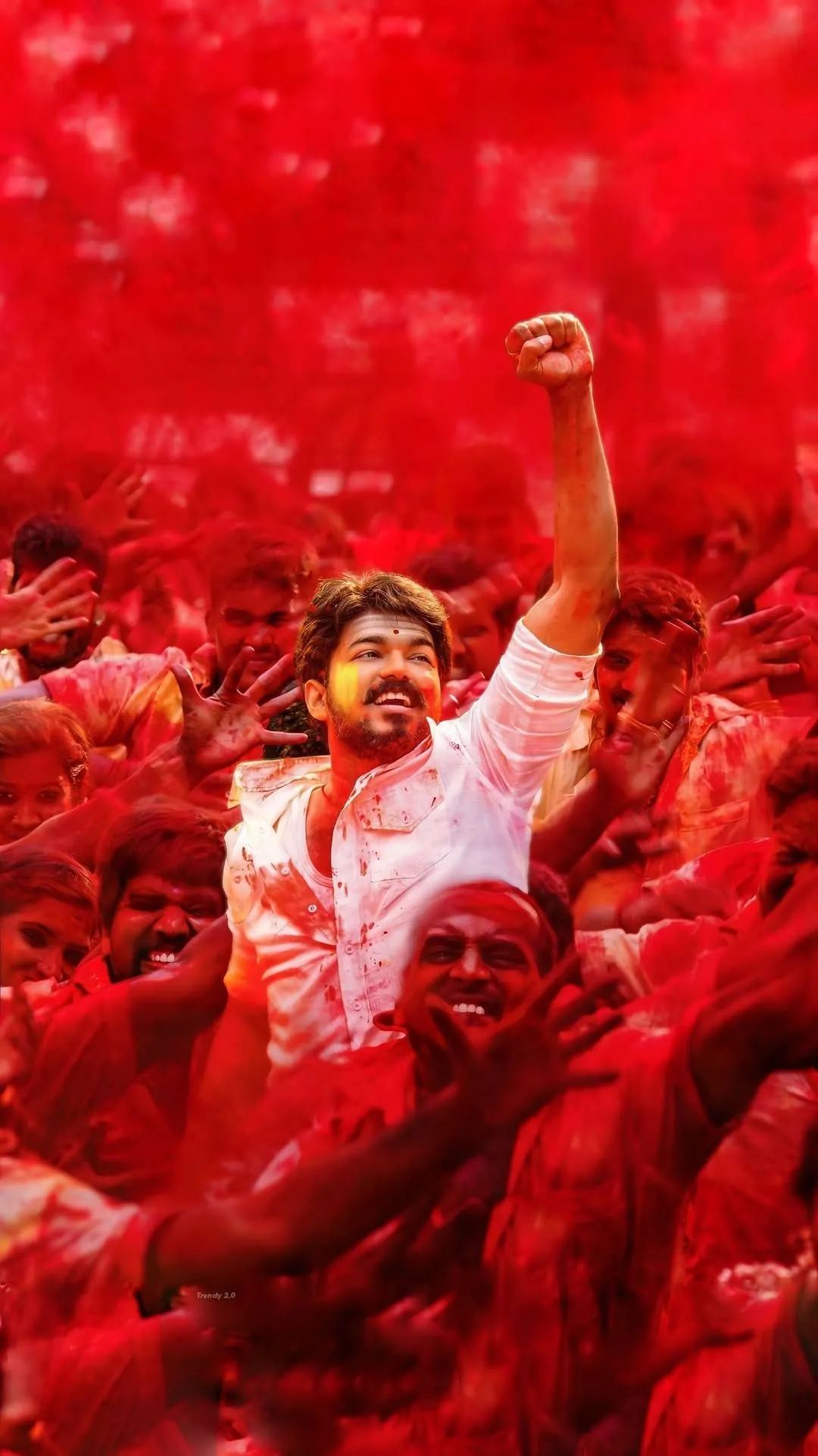
Critics argue that repeated exposure to certain tropes can contribute to a cultural climate in which harassment or body-focused commentary is minimised. Supporters of commercial cinema counter that these films were products of their time, designed for entertainment rather than social instruction, and that audiences have always been capable of distinguishing fiction from reality. Both perspectives form part of an ongoing debate about the social responsibility of popular media.
The Broader Context of Representation
Nayanthara herself has spoken in later years about the pressures and compromises women in the industry have faced. Her career trajectory, from glamorous roles in the mid-2000s to more substantial parts and eventual recognition as a leading figure, reflects changes within the industry as well as individual choices. The personal and professional dynamics surrounding the making of Villu also attracted media attention at the time, though those matters remain separate from the film’s content itself.
The discussion surrounding Vijay’s earlier work is not limited to a single title. It forms part of a larger conversation about how mainstream cinema in India has historically depicted relationships, consent and gender. Films that once drew large crowds are now viewed through a different lens by newer generations of viewers and critics. This re-evaluation does not erase the entertainment value many audiences found in those movies, nor does it cancel the professional achievements of the artists involved. It does, however, encourage a more conscious approach to storytelling.
From Cinema to Governance
As Chief Minister, Vijay’s public image is no longer defined solely by his film roles. Governance involves policy, administration and representation of diverse citizens. The contrast between the exaggerated hero of commercial cinema and the responsibilities of elected office has prompted some observers to revisit the cultural products that helped build his popularity. Others maintain that an actor’s past screen choices should be judged separately from political performance.
What remains clear is that popular cinema both reflects and shapes social attitudes. When films repeatedly present certain behaviours as humorous, romantic or heroic, they contribute to the broader cultural vocabulary. Examining those patterns critically, without denying the context in which the films were made, allows for a more informed understanding of media influence.
The case of Villu and similar titles from that era serves as a reminder of how standards of representation change over time. Commercial cinema of the late 2000s operated under different expectations and market pressures. Today’s audiences and creators are more likely to demand stories that treat all characters with greater complexity and respect. That shift is a positive development, even as it invites uncomfortable questions about the content that once dominated the screen.
Read more – brandownerdetail.com