Healthy Foods to Eat Every Day for Better Health and Sustained Energy
Incorporating the right foods daily forms the foundation of vibrant health, sustained energy, and disease prevention. Nutrient-dense choices supply essential vitamins, minerals, fiber, and healthy fats that support bodily functions, stabilize blood sugar, and enhance mood. Rather than restrictive diets, focus on balanced, enjoyable meals built around whole foods.
This guide highlights accessible, evidence-based foods to eat regularly, with practical incorporation tips. Consistency matters more than perfection—these habits compound into noticeable improvements in vitality and resilience. Start by adding a few items to your routine and build gradually for sustainable results.
Leafy Greens and Vegetables: Foundation of Vitality
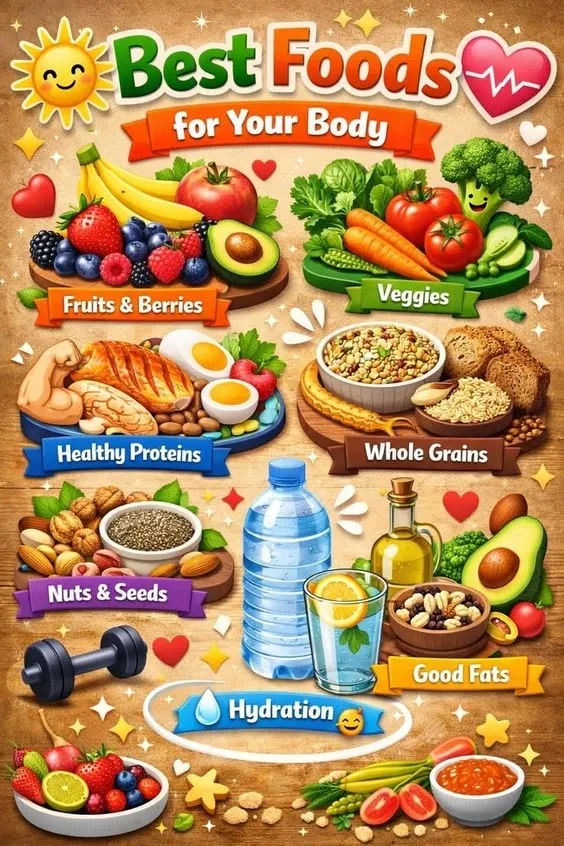
Dark leafy greens like spinach, kale, and broccoli deliver vitamins A, C, K, and folate alongside antioxidants and fiber. They support immune function, bone health, and digestion while being low in calories. Aim for several servings daily—add to smoothies, salads, stir-fries, or omelets.
Other vegetables such as bell peppers, carrots, and tomatoes provide additional antioxidants and hydration. Variety ensures broad nutrient coverage. Frozen options maintain nutrition conveniently. These foods combat inflammation and promote steady energy by stabilizing blood sugar.
Berries and Fruits: Natural Energy Boosters
Berries—blueberries, strawberries, raspberries—rank among the most antioxidant-rich fruits. They enhance brain function, reduce oxidative stress, and support heart health. Fresh, frozen, or in yogurt parfaits, they offer natural sweetness without blood sugar spikes.
Apples, bananas, and citrus fruits provide fiber, potassium, and vitamin C for sustained energy and immunity. Eat whole fruits rather than juices to maximize fiber benefits. A serving or two daily satisfies sweet cravings healthfully while delivering hydration and essential micronutrients.
Whole Grains and Fiber-Rich Foods: Steady Fuel
Whole grains such as oats, quinoa, brown rice, and barley supply complex carbohydrates, B vitamins, and fiber for prolonged energy release. They help regulate cholesterol and support gut health. Start mornings with oatmeal or use quinoa as a rice alternative in bowls.
Legumes including beans, lentils, and chickpeas offer plant-based protein and fiber. Incorporate them into soups, salads, or as sides. These foods promote satiety, stable energy, and digestive regularity. Aim for several servings across meals.
Nuts, Seeds, and Healthy Fats: Brain and Heart Support
Almonds, walnuts, chia seeds, and flaxseeds provide healthy fats, protein, magnesium, and omega-3s. They enhance brain function, reduce inflammation, and support heart health. A small handful daily as snacks or toppings prevents energy crashes.
Avocados and olive oil deliver monounsaturated fats that improve nutrient absorption and satiety. Use avocado on toast or in salads, and olive oil for dressings. These fats promote hormone balance and sustained focus throughout the day.
Lean Proteins and Eggs: Muscle and Satiety Builders
Eggs offer complete protein, choline, and vitamins essential for brain health and muscle maintenance. Enjoy them boiled, scrambled, or in omelets for versatile breakfasts or lunches.
Lean sources like fish (salmon for omega-3s), poultry, Greek yogurt, and tofu provide amino acids for repair and fullness. Include protein in every meal to stabilize blood sugar and curb overeating. Plant-based options suit various preferences while delivering additional fiber.
Hydration and Fermented Foods: Gut and Energy Optimization
Water remains fundamental—aim for adequate intake throughout the day to support metabolism, focus, and detoxification. Infuse with lemon or cucumber for variety.
Fermented foods like yogurt, kefir, sauerkraut, or kimchi introduce probiotics that enhance gut microbiome diversity. A healthy gut improves nutrient absorption, immunity, and mood via the gut-brain axis. Start with small servings daily.
Practical Tips for Daily Incorporation and Sustainability
Meal planning simplifies consistency. Prepare vegetables and grains in advance for quick assembly. Batch-cook proteins or soups for multiple meals. Aim for colorful plates—half vegetables or fruits—for balanced nutrition.
Mindful eating without distractions enhances satisfaction and prevents overconsumption. Listen to hunger cues and prioritize whole foods over processed items. Experiment with recipes to maintain enjoyment—smoothies, grain bowls, stir-fries, or salads offer endless variety.
Stay hydrated and pair foods thoughtfully: combine vitamin C sources with iron-rich plants for better absorption. Moderate portions prevent excess while ensuring adequacy. Track energy levels to fine-tune choices.
Common Pitfalls and Long-Term Mindset
Avoid extremes or elimination diets unless medically necessary. Balance remains key—occasional treats fit sustainably. Focus on addition (more vegetables) rather than restriction for positive psychology.
Build habits gradually to prevent overwhelm. Involve family or meal-prep buddies for accountability. View nutrition as self-care that fuels an active, fulfilling life. Regular check-ups ensure personalized needs are met.
Conclusion
Eating healthy foods daily—leafy greens, berries, whole grains, nuts, proteins, and fermented options—provides the building blocks for better health, steady energy, and resilience. These accessible choices support immunity, mood, digestion, and vitality without complexity.
Start small: add spinach to breakfast, berries to snacks, or lentils to dinner.