Djokovic’s Body Tests His Famous Resilience
Novak Djokovic’s first-round exit from the 2026 US Open was more than a surprising result. The 24-time Grand Slam champion, long celebrated for outlasting opponents through superior conditioning and mental fortitude, confronted an opponent he could not overcome: the accumulating limits of his own body. At 39, the Serbian star fell in five sets to Argentina’s Mariano Navone, 7-6(5), 5-7, 4-6, 6-2, 6-1, in a match that lasted four hours and 36 minutes on Arthur Ashe Stadium.
A Rare Early Defeat
The loss marked Djokovic’s first opening-round defeat at a Grand Slam since the 2006 Australian Open and his first ever first-round exit at the US Open across 20 appearances. It also ended a streak of 78 consecutive first-round victories at majors. For a player who had built a reputation on surviving the longest and most physically demanding battles, the manner of the defeat carried particular weight.
Djokovic had arrived in New York still pursuing a record-extending 25th major title. Three years had passed since his most recent Grand Slam triumph. Yet few expected an exit at the first hurdle. What unfolded instead was a contest in which physical distress gradually overtook tactical and technical questions.
Visible Signs of Struggle
From early in the match, Djokovic appeared to be managing more than the opponent across the net. He took medication, showed signs of discomfort, and at points vomited courtside. Cramps affected him as the match progressed. A medical timeout was required before the fifth set for treatment on his lower back. By the later stages he was moving with visible difficulty, and the final two sets slipped away as Navone maintained a higher intensity.
After the match Djokovic described an ongoing issue that had affected him across the season, particularly in demanding conditions. He spoke of vomiting, a sense of his body collapsing, cramping and pain that eventually involved his back and shoulder. He said he had not enjoyed the experience on court and that the physical problems had made it difficult to perform at the level he expected of himself.
The emotional toll was also evident. At moments Djokovic appeared close to tears as the match moved beyond his control. For a competitor defined by composure under pressure, the display underscored how severely the physical demands had registered.
The Opponent Who Benefited
Mariano Navone, ranked outside the top 40, played with consistency and composure. He stayed with Djokovic through the early fluctuations, absorbed the three-set lead the Serb briefly held, and then capitalised as the favourite’s movement and power declined. Navone’s ability to sustain baseline pressure and force Djokovic into extended exchanges proved decisive once the physical disparity became clear. For the Argentine it was a career-defining victory; for Djokovic it was a reminder that recovery and resilience are no longer automatic.
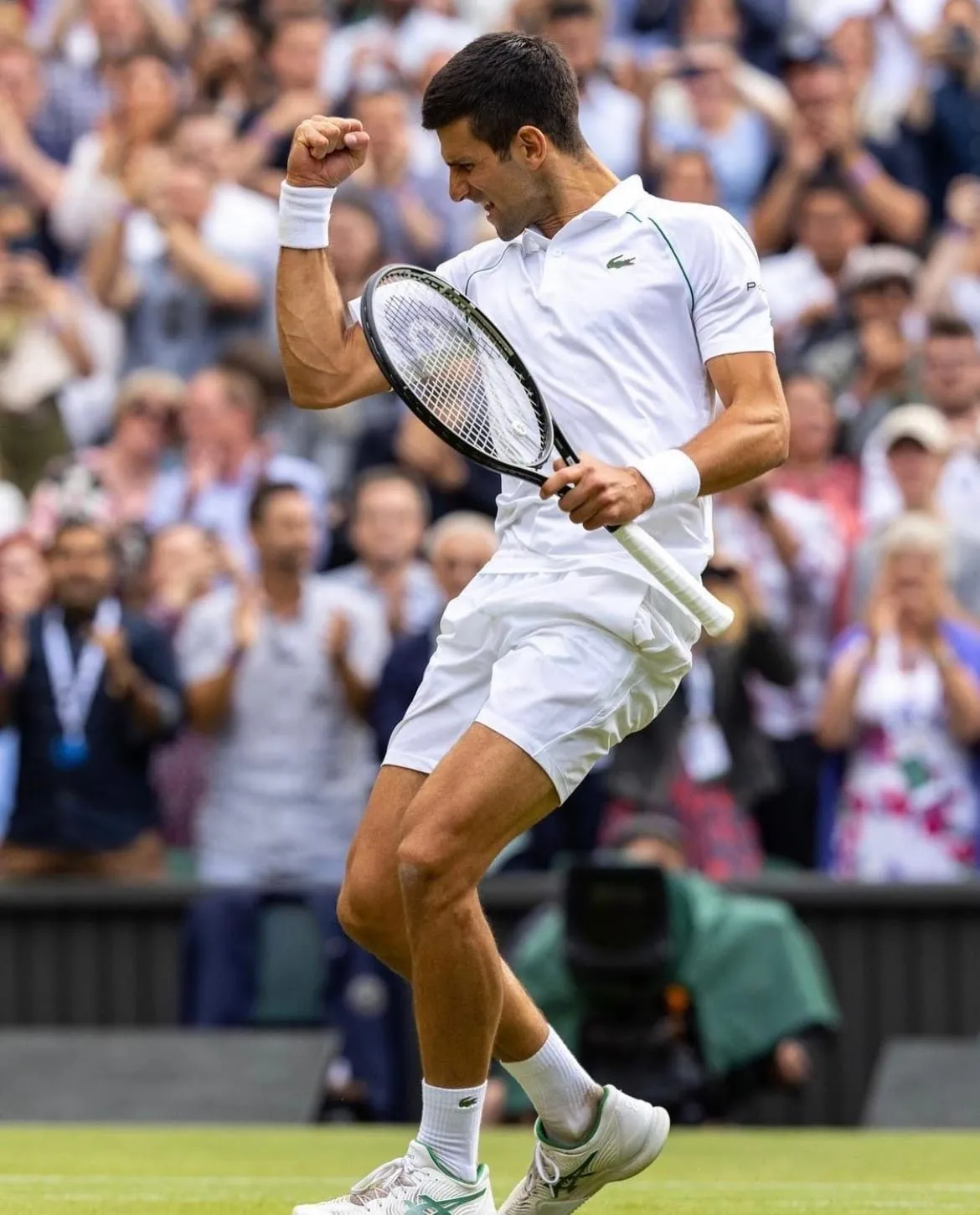
Resilience Against Time
Throughout his career Djokovic has treated physical adversity as another opponent to be solved. Gluten-free diet changes, rigorous recovery protocols, flexible scheduling and an intense focus on flexibility and movement have allowed him to remain competitive deep into his thirties. He has repeatedly returned from injury and illness to win majors when many expected decline.
That history makes the New York defeat stand out. The problems he described were not a single acute injury but a recurring condition that surface under match stress. When combined with the normal effects of age, the cumulative load appeared to exceed even his well-documented capacity to endure.
Commentators and peers have long noted that individual sports offer fewer ways to manage decline than team environments. At 39, Djokovic operates in a field where the list of players sustaining elite performance is short. The US Open loss does not by itself define the end of a career, yet it raises practical questions about how much further the body can be pushed in best-of-five-set matches under the heat and humidity that often accompany major events.
Looking Ahead
Djokovic has indicated he needs time to assess the underlying issues and to determine how far he can continue. He has consistently declined to set a retirement timetable, preferring to evaluate his capacity match by match and season by season. The coming months will test whether adjustments in preparation, scheduling or treatment can restore a level of physical reliability closer to what he has known.
For tennis, the episode is a reminder of the extraordinary standards Djokovic set. His ability to outlast opponents became a hallmark of the era. The first-round defeat in New York suggests that the most persistent challenger may no longer be another player across the net, but the inevitable constraints that eventually confront every athlete. How Djokovic responds will shape the final chapters of one of the sport’s most accomplished careers.
Read more – therecipetaste.com , uuploadarticle.com