IIT Bombay Student Death After ChatGPT Exam Incident Sparks Campus Protests
A second-year student at the Indian Institute of Technology Bombay died by suicide on the evening of September 18, 2026, hours after being found using a mobile phone during an examination. The institute stated that the student had uploaded the question paper to ChatGPT to seek answers. In an official response amid campus protests, IIT Bombay clarified that no disciplinary action was taken against him and that faculty members had counselled him and assured him the incident would not harm his academic career.
Sequence of Events on Campus
According to the institute’s statement, the student, enrolled in the Department of Energy Science and Engineering, was found using a mobile phone in the examination hall earlier that day. He had uploaded the examination question paper on ChatGPT in an attempt to obtain answers. The instructor and the Head of the Department discussed the matter with him. They counselled the student and explicitly assured him that the episode would not adversely affect his academic standing. No formal disciplinary proceedings were initiated.
The student then returned to his hostel room. Later in the evening, he was found dead there. IIT Bombay said the circumstances surrounding the death are being examined by the appropriate authorities. The institute expressed deep sadness over the loss and stated that it is extending support to the student’s friends, classmates, faculty members and others affected by the tragedy.
Campus Protests and Student Demands
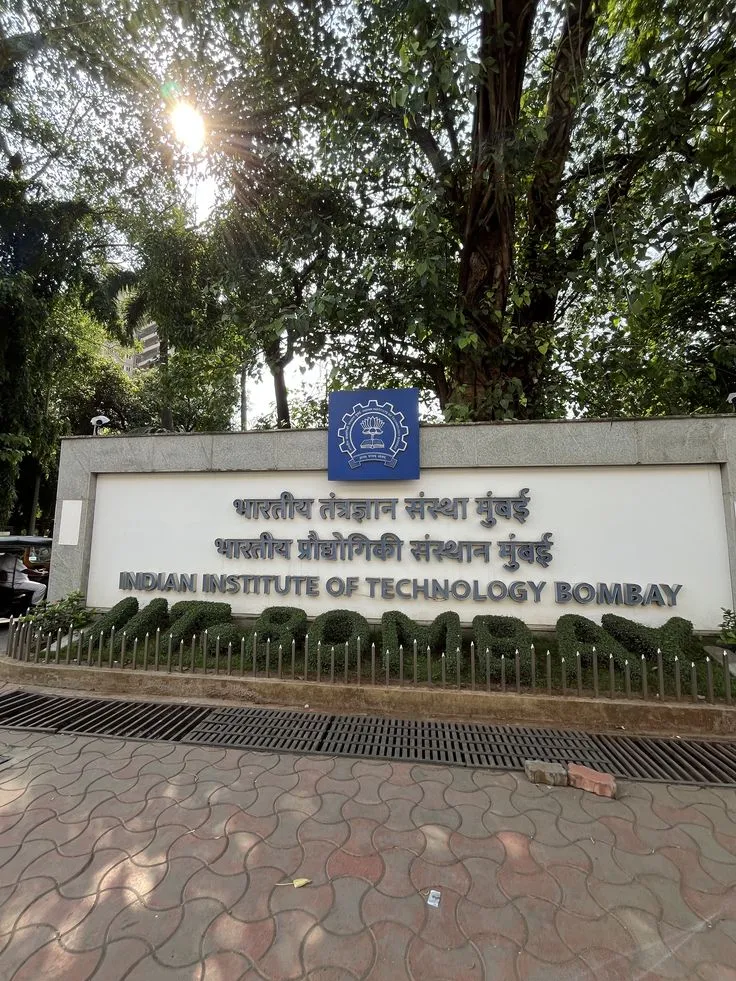
News of the death triggered immediate protests on the Powai campus. Students gathered at the main gate, raising slogans and demanding accountability and greater transparency from the administration. Police personnel were deployed as discussions took place between student representatives and institute officials. The gathering later shifted in some accounts to the Convocation Hall, where the director interacted with students in the early hours of the following day.
Protesters called for stronger mental health support systems on campus and raised broader concerns about the handling of student distress. Some demanded an independent inquiry into recent student deaths at the institute and greater institutional accountability. Mid-semester examinations were reportedly postponed in the aftermath. Parents of the deceased student later joined the protests, seeking explanations and calling for a thorough investigation.
Institute’s Position and Ongoing Investigation
IIT Bombay’s public statement focused on clarifying the sequence of events and the absence of punitive measures. By emphasising the counselling provided and the assurance given regarding the student’s academic future, the institute sought to address speculation that harsh disciplinary action had been threatened or initiated. Authorities have confirmed that a formal investigation into the circumstances of the death is underway. An accidental death report was filed by the local police.
The incident has drawn attention to the pressures faced by students in highly competitive academic environments. While the institute’s account indicates that the examination incident was handled through counselling rather than punishment, the tragic outcome has left many on campus questioning the adequacy of existing support mechanisms and the emotional impact of even informal academic interventions.
Broader Context of Student Well-Being
This death has been described in reports as one of several student suicides at IIT Bombay in 2026, with some accounts placing it as the third or fourth such case during the year. The recurrence has intensified calls for systemic improvements in mental health resources, early intervention protocols and the overall campus climate around academic stress and failure.
Students and observers have pointed to the intense academic culture at premier technical institutes, where the fear of academic setbacks can weigh heavily even when formal consequences are not imposed. The availability of generative AI tools such as ChatGPT has introduced new dimensions to academic integrity discussions. Institutions across the country are still developing clear policies on the appropriate use of such tools during assessments, and enforcement practices vary.
In this case, the institute’s decision to forgo disciplinary action and instead offer counselling reflects an approach that prioritised guidance over punishment. Yet the subsequent tragedy underscores the complexity of supporting students who may be experiencing significant internal distress that is not always visible to faculty or peers.
Support Measures and Next Steps
IIT Bombay has stated that it is providing support to those affected by the loss. Campus counselling resources are available, and the administration has engaged with students during the protests. Police continue their investigation, and the institute has indicated that the circumstances of the death remain under review by the relevant authorities.
For the wider academic community, the incident serves as a reminder of the need for robust, accessible and stigma-free mental health services. It also highlights the importance of clear communication when addressing academic integrity issues, ensuring that students fully understand the consequences — or lack thereof — and feel supported rather than isolated.
As discussions continue on campus and the investigation proceeds, the focus remains on understanding the full context of the student’s experience and preventing similar tragedies. The loss of a young life in such circumstances is a profound one for the family, the peer group and the institution. IIT Bombay’s response has sought to clarify the facts surrounding the examination incident while acknowledging the depth of the grief felt across the community. The coming days will likely see continued dialogue between students and the administration as both seek ways to strengthen support systems and address underlying concerns about student well-being.
Read more – todaybestoffers.info