Washma Butt Cafe in Leh Goes Viral After Dhurandhar
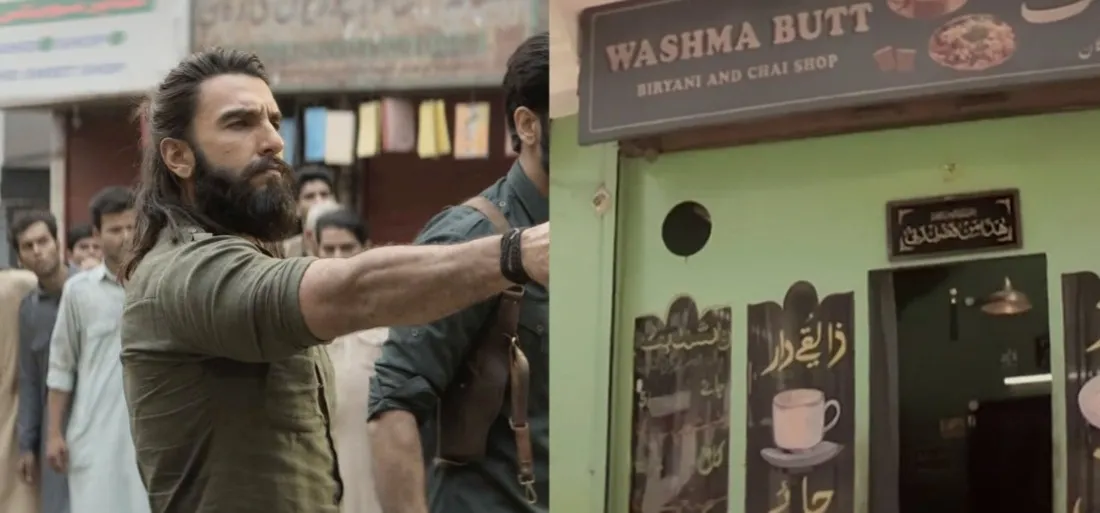
A modest eatery in the heart of Leh has undergone an unexpected transformation into one of Ladakh’s newest tourist draws. Featured in Aditya Dhar’s spy thriller Dhurandhar as the fictional “Washma Butt” tea and biryani shop, the cafe has retained its on-screen identity and now welcomes a steady stream of fans eager to sit where the film’s characters shared quiet, memorable conversations.
From Local Restaurant to Film Landmark
Originally known as SH Khan Restaurant, the establishment sits on Mall Road in the bustling Leh Market area. In Dhurandhar and its sequel, the space was reimagined as Washma Butt, the setting for several key exchanges between Ranveer Singh’s character Hamza Ali Mazari and Gaurav Gera’s Alam. These scenes provided emotional breathing space amid the film’s high-stakes spy narrative and helped deepen the bond between the two characters.
After the films’ success, the owners made a deliberate choice to keep the Washma Butt name and signage. They also embraced the popular nickname “Dhurandhar Cafe.” Owner Sohel Ali has noted that the location now functions as both a working eatery and a sightseeing stop. Crowds that once gathered to catch glimpses of the shooting have been replaced by visitors from across the country who come specifically to experience a piece of the film’s world.
The Experience Inside
Stepping inside, visitors encounter an atmosphere carefully preserved and lightly enhanced for fans. The green walls familiar from the screen remain, now joined by portraits and stills from Dhurandhar. A particular table has been designated the “Dhurandhar Table,” marked as the spot where Hamza and Alam shared tea. Photographs of the characters hang nearby, turning one corner of the cafe into a small tribute.
The setup is intentionally simple—wooden tables and chairs, no elaborate decor—so that the connection to the film feels immediate rather than over-produced. Many guests come primarily for photographs and reels. The cafe accommodates this interest: those who wish only to take pictures can do so for a modest fee of around ₹50 without ordering food or drink. Others settle in for a meal or a cup of tea, extending their visit.
A Menu Rooted in Everyday Comfort
While the film connection drives footfall, the cafe continues to serve practical, local fare. Breakfast options include varieties of parathas, omelettes, Maggi, and ramen. Lunch features vegetarian and non-vegetarian thalis, rajma-rice, and similar staples. Tea holds special importance. Alongside regular options, the menu highlights Dhurandhar chai, the well-known namkeen (salty) chai of the region, Kashmiri kehwa, and lemon-ginger tea. For many fans, ordering tea at the same tables seen on screen completes the experience.
The combination of accessible food, photo opportunities, and cinematic association has made the cafe appealing to a wide range of visitors—young travellers, families, and dedicated film enthusiasts alike.
How a Film Location Becomes a Destination
The rise of Washma Butt reflects a broader pattern in which audiences turn cinematic details into real-world pilgrimages. Dhurandhar introduced viewers to the tense streets of Lyari and the hidden networks of espionage. Yet it was the quieter, character-driven moments in an ordinary tea shop that many remembered most vividly. When viral videos confirmed that the location was not a constructed set in Pakistan but an actual restaurant in Leh, curiosity quickly converted into travel plans.
Ladakh already attracts visitors for its dramatic landscapes and unique culture. The addition of a specific, film-linked stop has given travellers an extra reason to linger in the Leh market. Sangam Point, the confluence of the Indus and Zanskar rivers that featured in a romantic song sequence, has similarly gained popularity among fans seeking to recreate on-screen moments. Together, these sites illustrate how a successful film can reshape local tourism in subtle but lasting ways.
Balancing Authenticity and Attention
For the owners, the sudden attention brings both opportunity and adjustment. What was once a neighbourhood restaurant serving locals and regular tourists now operates with a dual identity. Maintaining the film’s visual cues while continuing to function as a working cafe requires a light touch. Excessive theming could feel artificial; too little would disappoint visitors who arrive specifically for the Dhurandhar connection. So far, the approach of retaining the name, adding selective memorabilia, and keeping the food straightforward appears to have struck a workable balance.
Visitors, for their part, treat the space with a mix of reverence and playfulness. Some recreate dialogues or poses from the film. Others simply sit with a cup of tea and absorb the novelty of occupying a place that briefly became part of a much larger cinematic story. The ₹50 photo fee offers a low-barrier way for casual fans to participate without committing to a full meal.
A Lasting Cinematic Footprint
Not every film location develops a second life as a tourist attraction. Washma Butt’s success owes something to the emotional resonance of the scenes shot there, the distinctive and slightly quirky name that stuck in viewers’ minds, and the owners’ willingness to lean into the association. It also benefits from Leh’s existing status as a major travel destination, making an extra stop relatively easy to incorporate into existing itineraries.
As long as interest in Dhurandhar endures, the cafe is likely to remain on the map for fans. Even those who have not seen the films often stop by after hearing about its popularity, turning a once-ordinary eatery into a shared cultural reference point. In the process, a small restaurant on Mall Road has gained a new chapter—one written not only by its regulars but by the audiences who carried a piece of the film with them into the real streets of Leh.
Read more – wellposhan.com